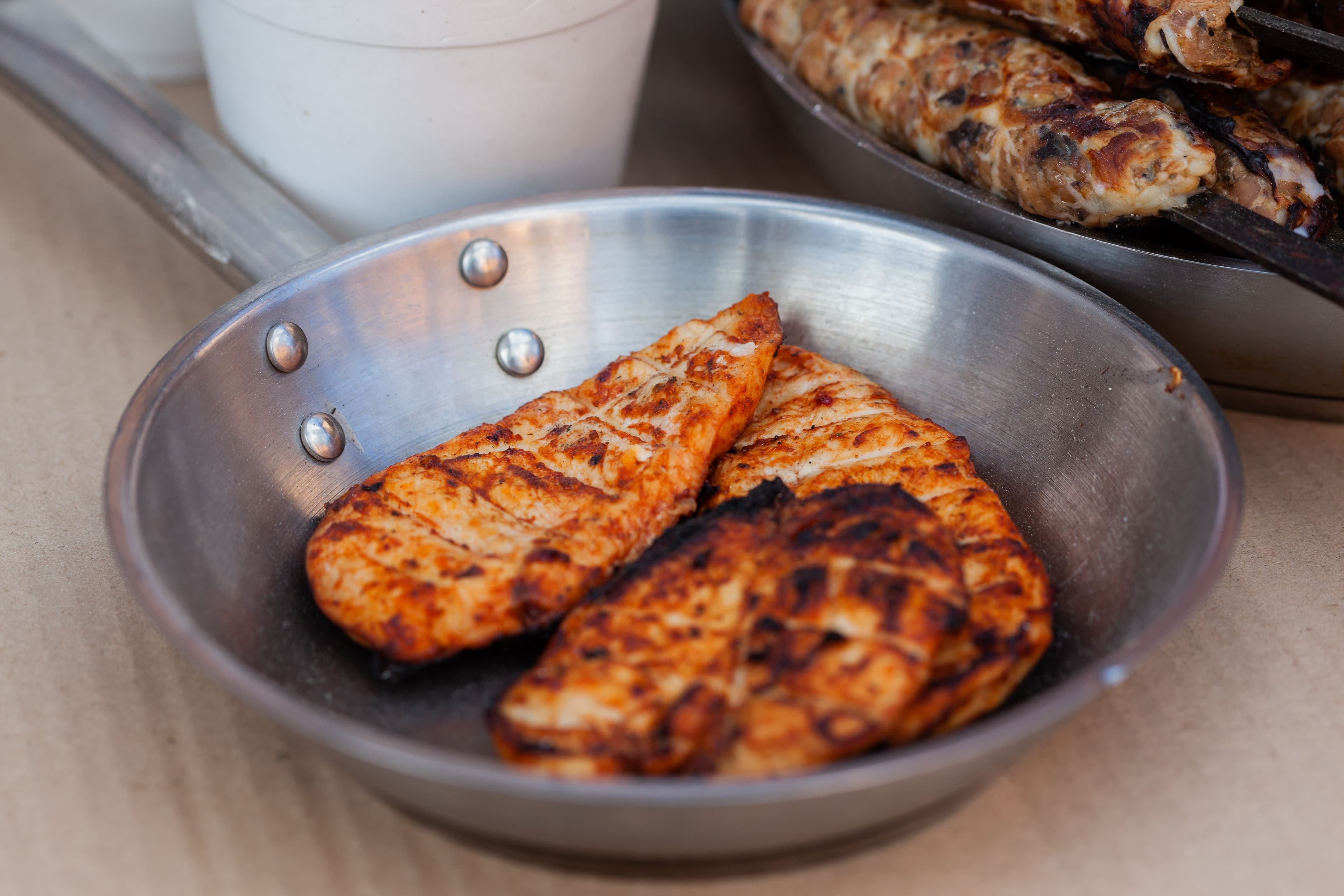
Chicken breast is one of the most popular protein sources for people who want a nutritious and balanced diet. It is known for being high in protein, relatively low in calories, and easy to include in different types of meals.
Whether you are tracking your macros, planning meal prep, trying to increase your protein intake, or simply understanding your food choices better, knowing the calories and protein in chicken breast can help you make informed decisions.
The nutrition value of chicken breast depends on several factors, including the serving size, whether it is raw or cooked, if the skin is included, and the cooking method used.
In this guide, we will explain chicken breast calories, protein content, nutrition facts, serving sizes, and how chicken breast fits into a balanced diet.
How Many Calories Are in Chicken Breast?

The number of calories in chicken breast depends mainly on its weight and preparation method. Skinless chicken breast is considered a lean source of protein because most of its calories come from protein rather than carbohydrates or fat.
A typical serving of cooked skinless chicken breast contains approximately:
| Serving Size | Calories | Protein |
|---|---|---|
| 100 grams cooked chicken breast | ~165 calories | ~31 grams protein |
| 3 ounces cooked chicken breast | ~140 calories | ~26 grams protein |
| 6 ounces cooked chicken breast | ~280 calories | ~50 grams protein |
These values can vary slightly depending on the brand, cooking method, and exact portion size.
For example, grilled chicken breast cooked with added oil will contain more calories than plain grilled chicken breast. Similarly, fried chicken breast usually contains more calories because of breading and oil absorption.
How Much Protein Is in a Chicken Breast?
Chicken breast is widely recognized as a protein-rich food. The amount of protein in a chicken breast depends on its size and whether you are measuring it before or after cooking.
A medium-sized cooked chicken breast can provide around 40–50 grams of protein, while larger portions may contain more.
Approximate protein amounts:
| Chicken Breast Size | Protein Content |
|---|---|
| 3 ounces cooked | ~26 grams |
| 6 ounces cooked | ~50 grams |
| 8 ounces cooked | ~70 grams |
Protein provides about 4 calories per gram, which means the protein content contributes significantly to the total calories in chicken breast.
Including chicken breast in meals can make it easier to add a high-quality protein source while keeping calorie intake predictable.
Chicken Breast Nutrition Facts: Protein, Fat, and Carbohydrates
Chicken breast is mainly valued for its high protein content, but it also provides other important nutrients that contribute to a balanced diet. The exact nutrition profile can change depending on whether the chicken breast is skinless or skin-on, how it is cooked, and the portion size.
A 100-gram serving of cooked, skinless chicken breast typically provides approximately:
| Nutrient | Amount (per 100g cooked) |
|---|---|
| Calories | ~165 calories |
| Protein | ~31 grams |
| Fat | ~3.6 grams |
| Carbohydrates | 0 grams |
Protein in Chicken Breast
Protein is the main macronutrient found in chicken breast. It provides amino acids that the body uses for maintaining and repairing tissues, including muscles and other body structures.
Chicken breast is considered a complete protein source because it contains all essential amino acids that the body cannot produce on its own and must obtain through food.
The protein content can vary based on serving size:
- Small chicken breast portion: around 25–30 grams of protein
- Medium chicken breast portion: around 40–50 grams of protein
- Large chicken breast portion: 60 grams or more of protein
When tracking protein intake, it is important to measure your serving size consistently because the amount of protein changes with the weight of the chicken.
Fat Content in Chicken Breast
Skinless chicken breast is naturally low in fat compared with many other animal protein sources. Most of the calories in chicken breast come from protein.
A 100-gram serving of cooked skinless chicken breast contains approximately:
- 3–4 grams of fat
- Around 9 calories per gram from fat
The fat content can increase depending on preparation methods. For example:
- Adding cooking oils increases total fat and calories.
- Keeping the skin on adds additional fat.
- Fried chicken breast usually contains more fat because of oil absorption.
If you are tracking macros, remember to include fats from marinades, sauces, butter, and cooking oils, as these can significantly change the final calorie content of a meal.
Does Chicken Breast Have Carbohydrates?
Plain chicken breast contains little to no carbohydrates.
A cooked, skinless chicken breast generally provides:
- 0 grams of carbohydrates
- 0 grams of fiber
However, carbohydrate content may increase when chicken breast is prepared with:
- Bread crumbs
- Flour coatings
- Sweet sauces
- Certain marinades
For example, grilled plain chicken breast will have a different nutrition profile compared with breaded or glazed chicken products.
Vitamins and Minerals in Chicken Breast
Besides protein, chicken breast also provides several important nutrients, including:
- Vitamin B6 – helps with normal energy metabolism and protein processing.
- Niacin (Vitamin B3) – supports normal cellular energy production.
- Selenium – an essential mineral involved in antioxidant functions.
- Phosphorus – contributes to healthy bones and normal body functions.
While chicken breast is not a complete source of every nutrient the body needs, it can be a useful part of an overall balanced eating pattern.
| Nutrient | Amount |
|---|---|
| Calories | ~165 calories |
| Protein | ~31 grams |
| Fat | ~3–4 grams |
| Carbohydrates | 0 grams |
Grilling does not usually require large amounts of added fat, which helps keep calories lower. However, calories can increase if you add oil-based marinades, sauces, or high-calorie toppings.
Best for:
- Meal prep
- High-protein diets
- Macro tracking
- Balanced meals
Baked Chicken Breast Calories
Baking is another simple way to prepare chicken breast without adding many extra calories.
A plain baked chicken breast has a similar calorie profile to grilled chicken:
| Serving Size | Calories | Protein |
|---|---|---|
| 100g baked chicken breast | ~165–170 calories | ~30–31g protein |
The final calories depend on what is added before baking. Ingredients such as olive oil, butter, creamy sauces, or cheese can increase the calorie content.
For a lower-calorie option:
- Use herbs and spices for flavor.
- Measure added oils.
- Avoid heavy sauces.
Boiled Chicken Breast Calories
Boiled chicken breast is often used in meal preparation because it is simple and does not require added cooking fats.
Approximate nutrition for 100 grams of boiled skinless chicken breast:
| Nutrient | Amount |
|---|---|
| Calories | ~150–165 calories |
| Protein | ~30 grams |
| Fat | ~3 grams |
| Carbohydrates | 0 grams |
Boiling may slightly change the texture and water content of the chicken, but it remains a high-protein food with a similar overall nutritional profile.
Fried Chicken Breast Calories
Fried chicken breast is usually much higher in calories compared with grilled, baked, or boiled versions.
The increase comes from:
- Oil absorbed during frying
- Breaded coatings
- Flour mixtures
- High-calorie sauces
A fried chicken breast serving can contain:
| Type | Approximate Calories |
|---|---|
| Plain fried chicken breast | Higher than grilled |
| Breaded fried chicken breast | Significantly higher |
The exact calorie amount varies widely depending on the recipe, restaurant, portion size, and frying method.
If you are tracking calories or macros, fried chicken requires more attention because small differences in preparation can create large changes in total calories.
Chicken Breast Cooking Methods Comparison
| Cooking Method | Calories | Protein | Additional Notes |
|---|---|---|---|
| Grilled | Lower | High | Usually no added fats |
| Baked | Lower to moderate | High | Depends on added ingredients |
| Boiled | Lower | High | Simple preparation |
| Fried | Higher | High | Oil and coating increase calories |
Does Cooking Change Chicken Breast Protein?
Cooking does not remove the protein from chicken breast. However, cooking reduces water content, which makes the nutrients more concentrated by weight.
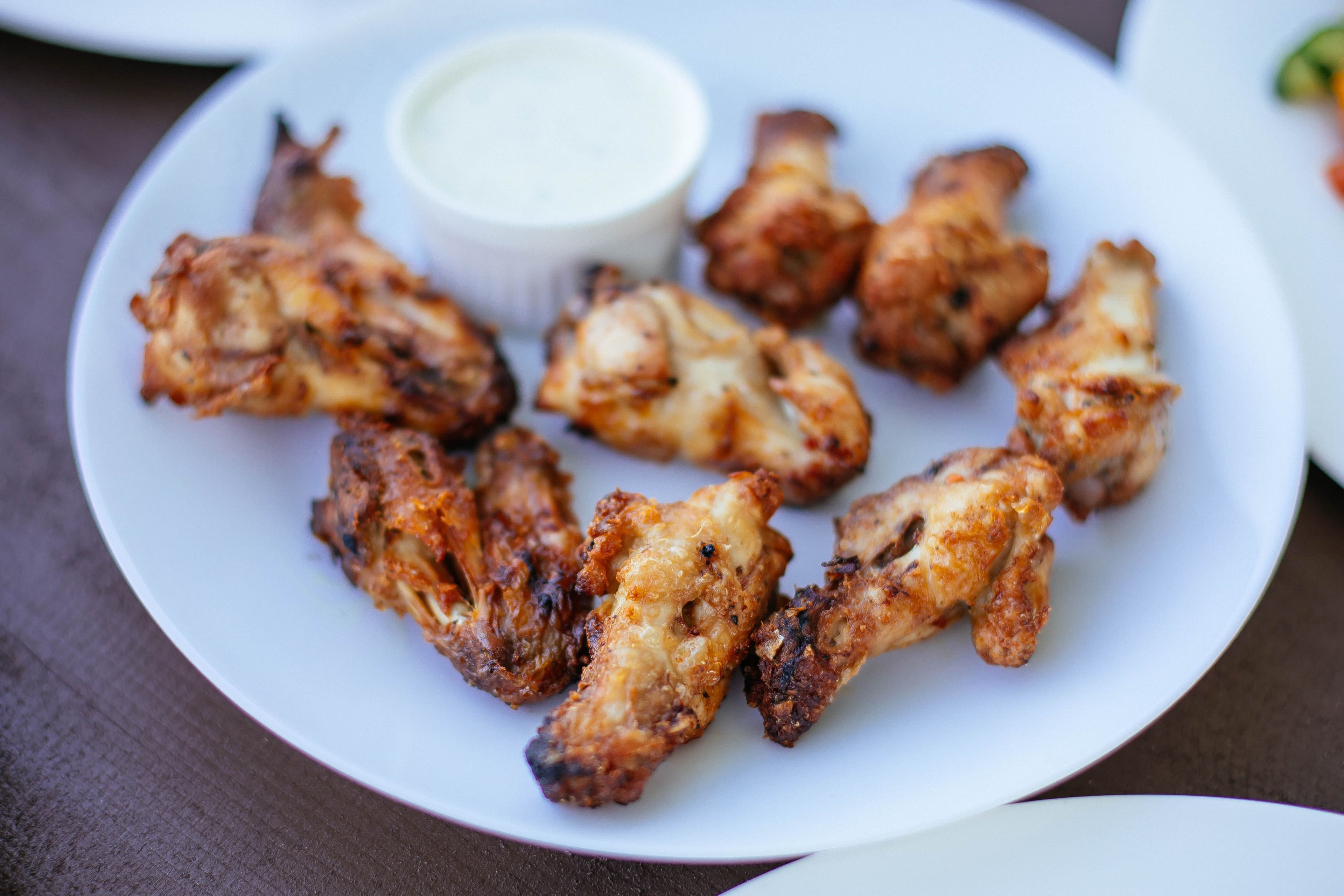
For example:
- 100g raw chicken breast and 100g cooked chicken breast do not have the same nutrition values.
- Cooked chicken usually weighs less because water is lost during cooking.
- Measuring cooked and raw portions separately gives different calorie and protein numbers.
For accurate macro tracking, always be consistent with whether you measure your chicken before or after cooking.
Raw vs Cooked Chicken Breast Weight: Why Calories and Protein Numbers Change
One of the most common sources of confusion when tracking chicken breast calories and protein is the difference between raw and cooked weight.
Chicken breast loses water during the cooking process, which changes its weight and makes the nutrients appear more concentrated. The total amount of protein does not suddenly increase, but the same amount of chicken contains less water after cooking.
Understanding this difference is important for accurate calorie and macro tracking.
Raw Chicken Breast vs Cooked Chicken Breast
When chicken breast is cooked, moisture is released through heat. This means:
- The cooked chicken weighs less than the raw chicken.
- Calories and protein per gram become higher after cooking.
- The total nutrients depend on the original amount of chicken.
For example:
| Weight | Approximate Nutrition |
|---|---|
| 100g raw chicken breast | Lower calories and protein per 100g because it contains more water |
| 100g cooked chicken breast | Higher calories and protein per 100g because water has been removed |
This does not mean cooking creates more protein. It simply changes the weight and concentration of nutrients.
How Much Does Chicken Breast Shrink When Cooked?
Chicken breast usually loses around 20–30% of its weight during cooking, mainly because of water loss.
Example:
- 200g raw chicken breast
- After cooking → around 140–160g cooked chicken breast
The exact amount depends on:
- Cooking temperature
- Cooking time
- Cooking method
- Amount of moisture lost
Grilling, baking, and frying may all produce slightly different weight changes.
Should You Weigh Chicken Breast Raw or Cooked?
Both methods can work, but consistency is the most important factor.
If You Weigh Chicken Raw
Use nutrition information for raw chicken breast.
Example:
- You measure 200g raw chicken.
- Track the calories and protein for 200g raw weight.
If You Weigh Chicken Cooked
Use nutrition information for cooked chicken breast.
Example:
- You measure 150g cooked chicken.
- Track the calories and protein for 150g cooked weight.
The mistake happens when someone weighs cooked chicken but uses raw nutrition values, or weighs raw chicken but enters cooked values.
Why This Matters for Macro Tracking
For people tracking protein, calories, or macros, small measurement differences can add up over time.
Common mistakes include:
- Logging raw chicken values after cooking.
- Comparing a cooked portion with a raw serving size.
- Forgetting that oils, sauces, and marinades add extra calories.
For the most accurate tracking:
Choose either raw or cooked measurements.
Use matching nutrition information.
Keep the same method throughout your meal tracking.
Does Cooking Reduce the Protein in Chicken Breast?
Normal cooking methods do not significantly remove the protein from chicken breast.
The main change is water loss, which makes cooked chicken appear higher in protein per gram.
For example:
- Raw chicken may contain more water.
- Cooked chicken has less water.
- The protein becomes more concentrated by weight.
This is why 100g cooked chicken breast usually shows more protein than 100g raw chicken breast.
Is Chicken Breast Good for Weight Loss? Calories, Protein, and Diet Benefits
Chicken breast is a popular food choice for people who want to manage their calorie intake while still getting enough protein. Because it is high in protein and relatively low in calories, it can be included in many balanced eating patterns.
However, chicken breast alone does not cause weight loss. Changes in body weight depend on your overall calorie intake, activity level, food choices, and long-term eating habits.
Why Chicken Breast Is Commonly Included in Weight Loss Diets
1. High Protein Content
Chicken breast provides a large amount of protein compared with many other foods.
A typical cooked chicken breast can provide:
- Around 25–50 grams of protein depending on portion size
- Approximately 4 calories per gram from protein
Including protein-rich foods like chicken breast can help people build balanced meals that provide important nutrients while managing calorie intake.
2. Relatively Low in Calories
Skinless chicken breast provides a high amount of protein without a large number of calories.
Example:
100 grams cooked skinless chicken breast:
- Calories: ~165
- Protein: ~31 grams
- Fat: ~3–4 grams
- Carbohydrates: 0 grams
This makes it easier to include chicken breast in meals where you want to keep calories controlled.
3. Easy to Combine With Other Nutritious Foods
Chicken breast can be paired with many foods to create balanced meals.
Examples:
Chicken Breast + Vegetables
Provides:
- Protein
- Fiber
- Vitamins and minerals
Chicken Breast + Whole Grains
Provides:
- Protein
- Carbohydrates for energy
- Additional nutrients
Chicken Breast + Healthy Fats
Examples:
- Avocado
- Nuts
- Olive oil
Provides:
- Protein
- Dietary fat
- More satisfying meals
A balanced plate usually includes a combination of different food groups rather than relying on one food alone.
Is Chicken Breast Better Than Other Meats for Weight Loss?
Chicken breast is often chosen because it is lean, but it is not the only healthy protein option.
Comparison:
| Food | Protein | Calories |
|---|---|---|
| Skinless chicken breast | High | Lower |
| Salmon | High | Higher due to fat content |
| Lean beef | High | Moderate |
| Eggs | Moderate | Moderate |
| Greek yogurt | Moderate to high | Varies |
Different protein sources provide different nutrients, so variety can be part of a healthy diet.
How Much Chicken Breast Should You Eat for Weight Loss?
There is no universal amount of chicken breast that everyone should eat.
The right portion depends on:
- Your daily calorie needs
- Your protein requirements
- Your activity level
- Your overall diet
- Other protein sources you consume
Instead of focusing only on one food, it is better to consider your total daily nutrition.
Healthy Ways to Prepare Chicken Breast for Lower Calories
If your goal is to keep calories lower, preparation method matters.
Better options include:
✅ Grilling
✅ Baking
✅ Boiling
✅ Air frying with minimal added oil
Be mindful of:
- Creamy sauces
- Large amounts of oil
- High-calorie marinades
- Fried coatings
These additions can significantly increase the calories of an otherwise lean protein source.
Can You Eat Chicken Breast Every Day?
Chicken breast can be included regularly as part of a balanced diet. However, eating a variety of protein sources can help provide a wider range of nutrients.
Other protein options include:
- Fish
- Eggs
- Dairy products
- Beans
- Lentils
- Tofu
- Lean meats
A balanced diet is built from overall food choices, not just one individual ingredient.
Chicken Breast vs Other Protein Sources: Nutrition Comparison
Chicken breast is one of the most commonly chosen protein sources because it provides a high amount of protein with relatively few calories. However, it is not the only option available. Different protein foods provide different combinations of calories, fats, vitamins, and minerals.
Comparing chicken breast with other protein sources can help you choose foods that fit your personal nutrition goals.
Chicken Breast vs Salmon
Both chicken breast and salmon are excellent sources of protein, but their nutrition profiles are different.
| Food | Calories (Approx. per 100g) | Protein | Fat |
|---|---|---|---|
| Skinless chicken breast | ~165 calories | ~31g | ~3–4g |
| Salmon | ~200+ calories | ~20–25g | Higher |
Chicken breast is usually lower in calories and fat, making it a popular choice for people focused on lean protein intake.
Salmon contains more dietary fat, including omega-3 fatty acids, which are important nutrients found in fatty fish.
Both foods can be part of a balanced diet depending on your nutritional needs.
Chicken Breast vs Eggs
Eggs are another popular protein source with a different nutrient profile.
| Food | Calories | Protein |
|---|---|---|
| 100g chicken breast | ~165 calories | ~31g |
| 2 large eggs | ~140 calories | ~12g |
Chicken breast provides more protein per serving, while eggs provide nutrients such as:
- Choline
- Vitamin D
- Healthy fats
- Several vitamins and minerals
Including both foods can add variety to your diet.
Chicken Breast vs Greek Yogurt
Greek yogurt can be a convenient protein source, especially as a snack or breakfast option.
| Food | Calories | ~31g |
|---|---|---|
| Greek yogurt (varies by type) | Varies | Moderate to high |
Greek yogurt may also provide:
- Calcium
- Probiotics (depending on the product)
- Other dairy nutrients
The protein amount depends on the brand and whether it is nonfat, low-fat, or full-fat.
Chicken Breast vs Beans and Lentils
Plant-based protein sources such as beans and lentils provide protein along with carbohydrates and fiber.
| Food | Protein | Other Nutrients |
|---|---|---|
| Chicken breast | High protein | Low carbohydrates |
| Beans | Moderate protein | Fiber and carbohydrates |
| Lentils | Moderate protein | Fiber, minerals, carbohydrates |
Unlike chicken breast, beans and lentils contain significant amounts of dietary fiber, which is important for digestive health.
Chicken Breast vs Lean Beef
Lean beef and chicken breast are both protein-rich foods, but they differ in their fat content and micronutrients.
| Food | Protein | Fat |
|---|---|---|
| Chicken breast | High | Lower |
| Lean beef | High | Varies |
Beef provides nutrients such as:
- Iron
- Zinc
- Vitamin B12
Chicken breast provides a leaner protein option with less fat in many cases.
Which Protein Source Should You Choose?
There is no single “best” protein source for everyone.
The right choice depends on:
- Your calorie needs
- Your protein goals
- Your food preferences
- Your overall diet
- Nutrient variety
Chicken breast can be an excellent option, but combining different protein sources can help create a more balanced eating pattern.
Simple Ways to Add Protein Variety
Instead of relying on only one protein source, consider including:
- Chicken breast for lean protein
- Fish for healthy fats
- Eggs for nutrients like choline
- Dairy products for calcium
- Beans and lentils for fiber and plant-based nutrients
A varied diet can provide a wider range of nutrients while keeping meals interesting.
How to Track Chicken Breast Calories and Protein for Macro Counting
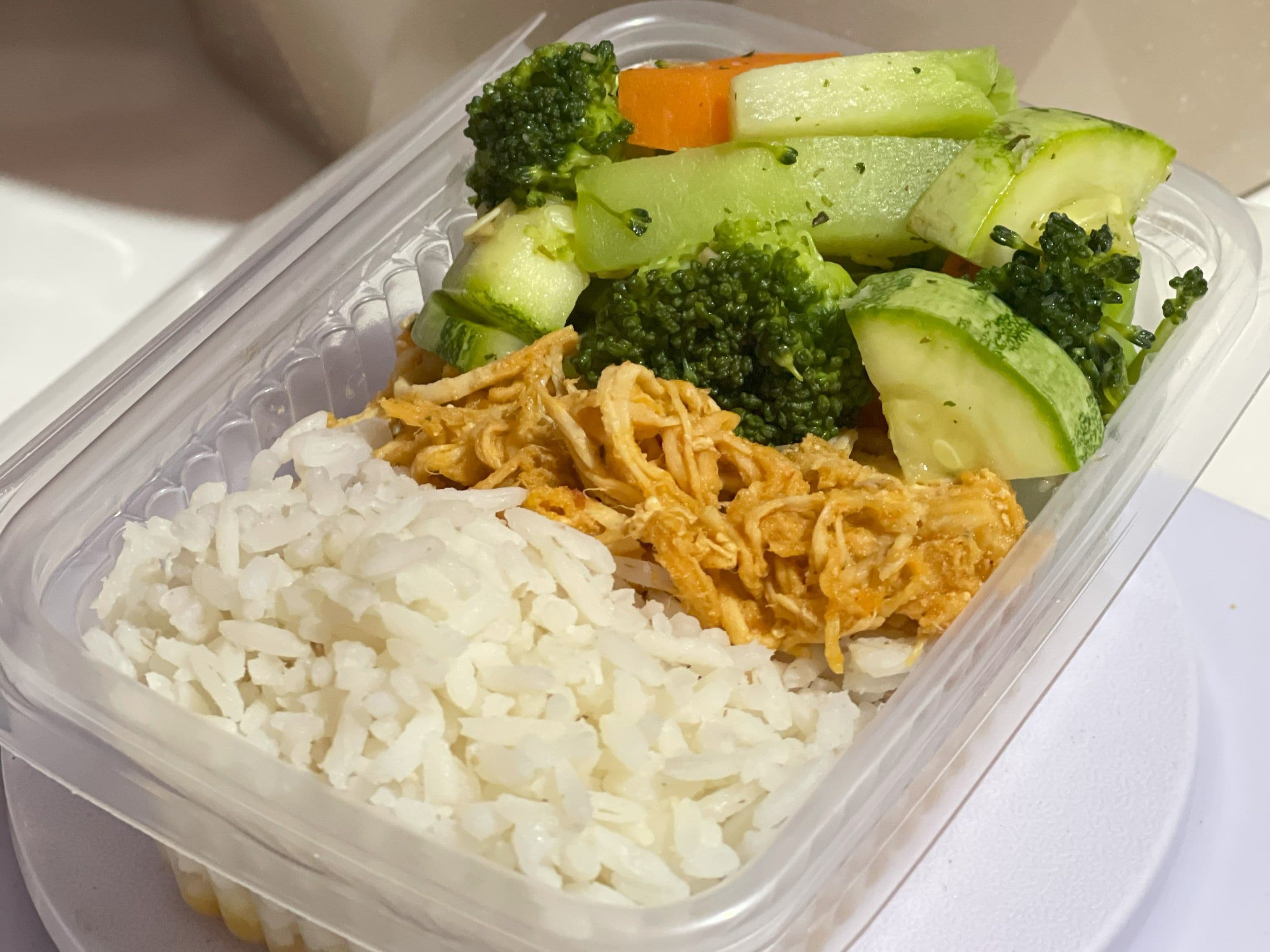
Tracking calories and protein can help you better understand your daily nutrition intake. If you want to compare nutrition information for restaurant meals and menu items, you can use our Panda Express Nutrition Calculator to view calories, protein, carbohydrates, and other nutrition details.
However, accurate tracking also requires understanding how protein, carbohydrates, and fat contribute to your overall nutrition. Learn more about macronutrients and how they affect your nutrition to better understand how different foods fit into your daily goals.
1. Choose Raw or Cooked Weight and Stay Consistent
One of the most important rules when tracking chicken breast is to use the same measurement method every time.
You can track chicken breast by:
Raw Weight
If you measure chicken before cooking:
- Use raw chicken nutrition values.
- Record the original weight before cooking.
Example:
- 200g raw chicken breast
- Track calories and protein based on 200g raw weight
Cooked Weight
If you measure chicken after cooking:
- Use cooked chicken nutrition values.
- Record the final cooked weight.
Example:
- 150g cooked chicken breast
- Track calories and protein based on 150g cooked weight
The key is avoiding mixing raw measurements with cooked nutrition values.
2. Check the Serving Size
Nutrition information is usually provided per a specific weight, such as:
- Per 100 grams
- Per serving
- Per package
Always compare the serving size with the amount you actually eat.
Example:
If a nutrition label says:
100g cooked chicken breast:
- 165 calories
- 31g protein
Then:
150g cooked chicken breast would provide approximately:
- 248 calories
- 46g protein
3. Include Cooking Oils, Sauces, and Marinades
Plain chicken breast is naturally low in calories, but added ingredients can change the nutrition profile.
Common additions that increase calories include:
- Olive oil
- Butter
- Cream sauces
- BBQ sauce
- Mayonnaise-based sauces
- Sweet marinades
Example:
A grilled chicken breast may contain around 165 calories per 100g, but adding several tablespoons of oil during cooking can significantly increase the total calories.
For accurate tracking, include all ingredients used during preparation.
4. Use Nutrition Labels When Available
Packaged chicken products may have different nutrition values depending on:
- Brand
- Added ingredients
- Processing method
- Seasonings
When buying packaged chicken breast:
Check:
- Calories per serving
- Protein per serving
- Serving size
- Added ingredients
This provides a more accurate estimate than assuming all chicken breast products have identical nutrition values.
5. Track Protein Along With Calories
Chicken breast is often used for its protein content, so many people track both calories and protein.
Example:
A 6-ounce cooked chicken breast may provide approximately:
- Calories: ~280
- Protein: ~50g
- Fat: ~6–8g
- Carbohydrates: 0g
Tracking both calories and protein gives a clearer picture of your overall nutrition intake.
6. Remember That Your Entire Meal Matters
Chicken breast is only one part of a meal. The total calories depend on everything included.
A chicken meal may also contain:
- Rice
- Vegetables
- Dressings
- Sauces
- Cooking oils
- Side dishes
For example, a chicken breast with vegetables will have a different calorie profile compared with a fried chicken sandwich with sauces and cheese.
Using Chicken Breast Nutrition Information for Meal Planning
Chicken breast can be used in many meal combinations, including:
High-Protein Meal
- Grilled chicken breast
- Vegetables
- Whole grains
Meal Prep Option
- Cooked chicken breast portions
- Rice or potatoes
- Vegetables
Balanced Macro Meal
- Chicken breast for protein
- Carbohydrate source for energy
- Healthy fat source for additional nutrients
Understanding the calories and protein in chicken breast makes it easier to create meals that match your nutrition goals.
Final Takeaway
Chicken breast is a nutrient-rich protein source that provides a high amount of protein with relatively few calories, especially when prepared without added fats. Understanding chicken breast calories, protein content, serving sizes, and cooking methods can help you make better decisions when planning meals or tracking nutrition.
While chicken breast can be a useful part of a healthy eating pattern, overall diet quality matters most. Combining protein-rich foods with vegetables, whole grains, healthy fats, and a variety of nutrient-dense foods can help create a balanced approach to nutrition.
Frequently Asked Questions
How Many Calories Are in a Chicken Breast?
How Much Protein Is in a Chicken Breast?
Is Chicken Breast High in Protein?
Does Chicken Breast Have Carbohydrates?
Is Grilled Chicken Breast Healthier Than Fried Chicken Breast?
How Many Calories Are in 100g of Chicken Breast?
Is Chicken Breast Good for Building Muscle?
Can You Eat Chicken Breast Every Day?
Should You Weigh Chicken Breast Raw or Cooked?
How Much Protein Is in a Large Chicken Breast?
Try the free nutrition calculator
Stack entrées and sides, watch calories and macros update instantly, and compare combinations before you order.
Open calculator